



Where Everyday Conversations Shape Extraordinary Lives

Pull up a chair as we explore Kitchen-Table Life Lessons—those unpolished moments of laughter, disagreement, planning, and kindness that strengthen families. Expect practical tips, heartwarming stories, and thoughtful prompts you can try tonight, right where the plates, crumbs, and honest voices gather. Share your own kitchen-table stories, subscribe for weekly prompts, and join a community that believes ordinary meals can quietly transform how we learn, lead, and love each other.

Roots and Rituals of the Family Table

Between clinking glasses and shared silence, habits form that outlast the meal. The family table teaches belonging, patience, and fairness through repeated, loving routines. Small customs—lighting a candle, a quick gratitude round, phones set aside—quietly build trust, attention, and a welcoming rhythm that everyone can feel.

A Chair for Every Voice

Make space for the shy, the excited, and the tired by treating every seat as essential. When each person gets uninterrupted minutes to speak, children practice courage and adults practice restraint. Over time, this simple ritual grows confidence, empathy, and surprising solutions to everyday dilemmas.

Rituals that Anchor Busy Weeks

A regular Tuesday pasta night, a Friday joke jar, or Sunday pancakes create calendar landmarks families can count on. Predictable rituals reduce decision fatigue, make planning easier, and signal safety. Even when schedules shift, returning to familiar flavors and phrases steadies moods and reminds everyone they belong here.
Stories Passed with the Salt

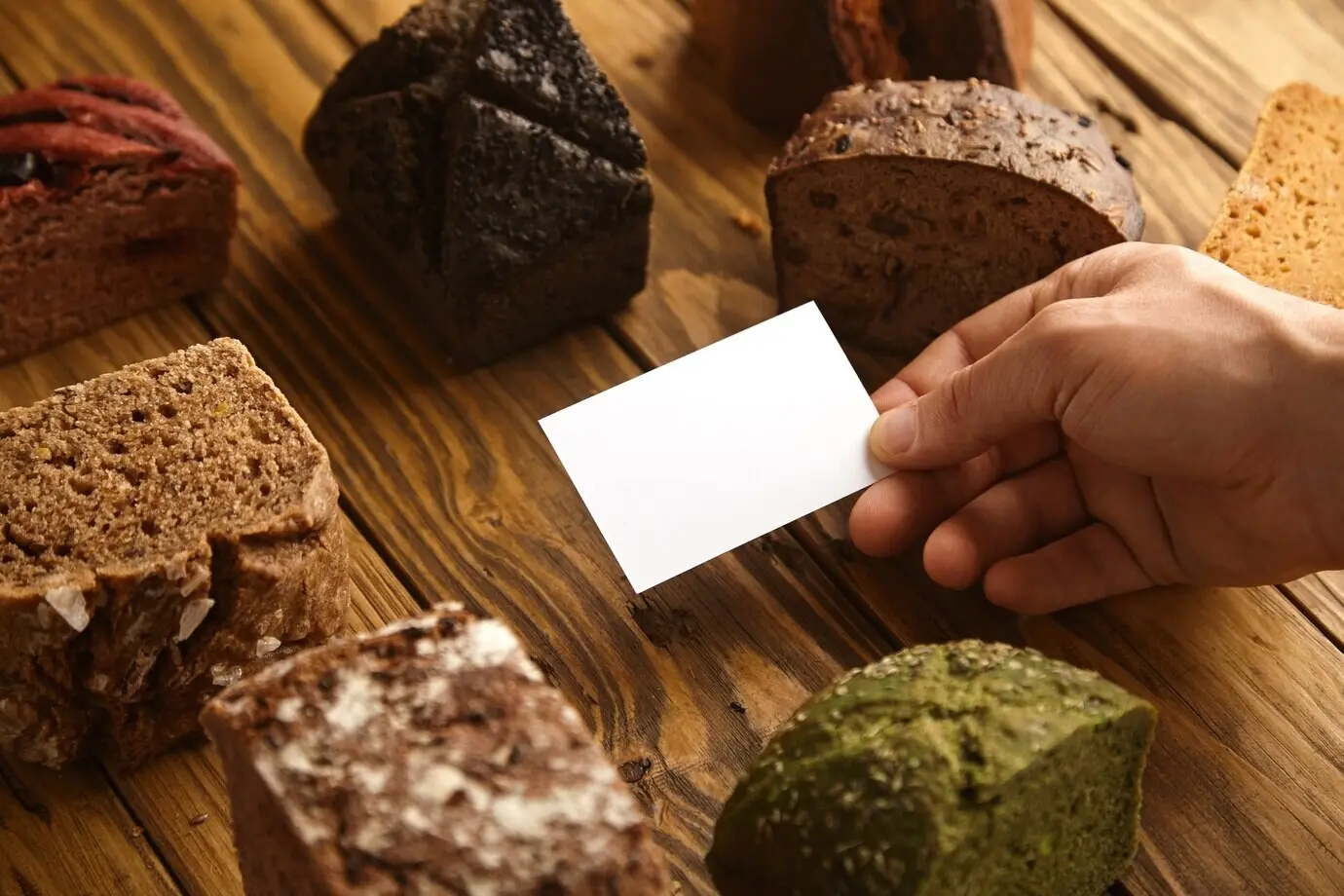
While someone reaches for the salt, invite a short memory: the first job, a complicated move, a kind neighbor. Shared storytelling strengthens identity by connecting past resilience to current challenges. Children hear how problems were faced, and adults rediscover pride, humility, and humor in well-traveled family legends.

The Budgeting Napkin

Keep a pen nearby and sketch tonight’s grocery costs on a napkin. Invite kids to estimate totals, compare brands, and weigh needs versus wants. This playful practice normalizes transparent money talks, replaces secrecy with reasoning, and equips everyone to shop wisely without shame or performative self-denial.

Portions, Nutrition, and Kind Limits

Serving sizes offer a compassionate way to discuss boundaries. Framing seconds as tomorrow’s lunch, or vegetables as energy for soccer, treats choices respectfully instead of moralizing food. Gentle language and flexible options teach self-regulation, while family preferences guide menus that honor culture, health, budget, and joyful curiosity.

The Pause Before the Reply

Agree to a shared rule: breathe, sip water, and count to five before answering. That small pause slows adrenaline, helps words land kindly, and reduces misfires. Children copy what they see, turning thoughtful restraint into habit rather than bottling feelings or exploding after avoidable misunderstandings.

Asking Better Questions

Try prompts that invite depth: What surprised you today? Where did you feel brave? How could we help tomorrow go smoother? Open questions encourage nuance, discourage defensiveness, and reveal needs. Listening for values beneath opinions turns debates into joint problem-solving instead of exhausting verbal tug-of-war.

Repairing After a Spill

Broken plates and hurt feelings happen. Normalize repair: apologize specifically, describe the impact, and offer a do-over plan. Cleaning together integrates accountability with care, teaching that mistakes are events, not identities. Families grow safer when repair is expected, not rare or wrapped in shame.

Skills You Can Taste: Cooking as Character Training

Chopping onions trains focus; simmering sauces rehearses patience; timing side dishes teaches coordination. In the kitchen, progress is visible and delicious, rewarding sustained effort with immediate feedback. Working shoulder to shoulder strengthens bonds, while improvising with leftovers nurtures creativity, stewardship, and gratitude for resources often taken for granted.

Culture, Community, and Welcoming Strangers

Inviting neighbors, classmates, or new colleagues expands horizons without lectures. Dishes carry stories about migrations, holidays, and improvisations born of necessity. The table becomes a classroom for empathy, where accents, spices, and customs are honored. Hospitality teaches courage, curiosity, and the practical logistics of making room with limited resources.

The Extra Plate Philosophy

Keep an extra setting ready. It signals abundance even when budgets are tight, and reassures guests they are truly wanted. Spontaneous invitations build networks of care, while children observe generosity modeled in real time, learning that community grows through repeated, ordinary acts of uncomplicated welcome.

Learning Languages Through Flavors

Experimenting with new ingredients invites conversation about geography, history, and identity. Look up pronunciations together, practice gratitude in another language, and share what memories certain aromas evoke. Culinary curiosity fosters respect, making cultural missteps teachable moments rather than barriers, and deepening friendships beyond pleasantries or quick, transactional gatherings.

Neighbors at Noon

Host a simple soup-and-bread lunch for nearby residents. Ask everyone to bring a story about a helpful stranger. These midday circles shrink loneliness, strengthen safety nets, and spark collaborations, proving that meaningful civic life can begin with broth, schedules, and a table that welcomes interruptions.

The Gratitude Ledger

Leave a notebook on the table and jot a sentence each meal about something appreciated. Over weeks, patterns of kindness emerge, offering proof on gloomy days that generosity is real. Revisiting entries becomes a ritual that multiplies hope, resilience, and a grounded sense of shared purpose.

Rotating Hosts

Assign a different person to lead each meal. The host chooses music, sets the agenda, and delegates tasks. Leadership grows gently as quieter members practice speaking up, while assertive personalities practice listening. Rotations spread responsibility, reveal hidden talents, and keep gatherings fresh, engaging, and genuinely collaborative.

A Table That Travels

Take the spirit of dinner outdoors—to a park bench, a hospital waiting room, or a dorm lounge. Packing cards, fruit, and thermoses proves the ritual lives in people, not furniture. Mobility keeps connection alive during transitions, reminding everyone they carry home wherever they gather.
Pefekinemorilunotopo
Privacy Overview

This website uses cookies so that we can provide you with the best user experience possible. Cookie information is stored in your browser and performs functions such as recognising you when you return to our website and helping our team to understand which sections of the website you find most interesting and useful.